

Dice icon representing the Does God Play Dice perspective

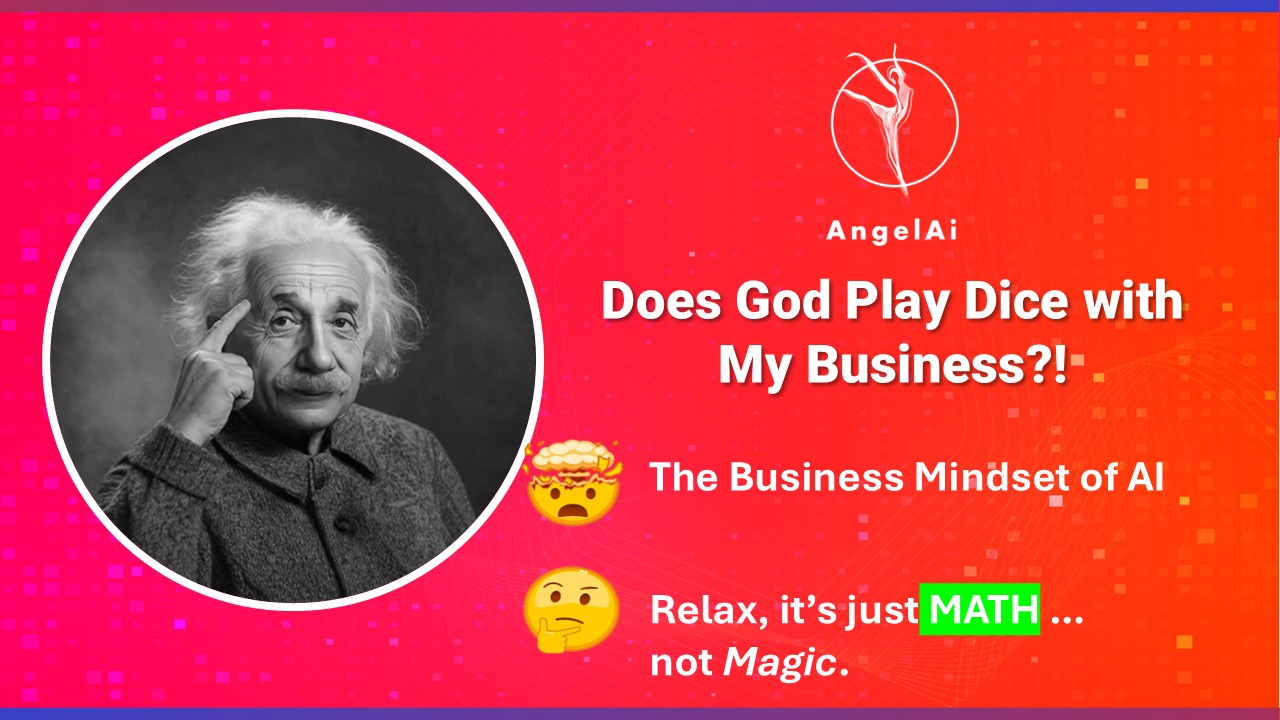
Does God Play Dice withMy Business?!

The math behind Artificial Intelligence — explained in third-grade simple language.

The Full Podcast Episode

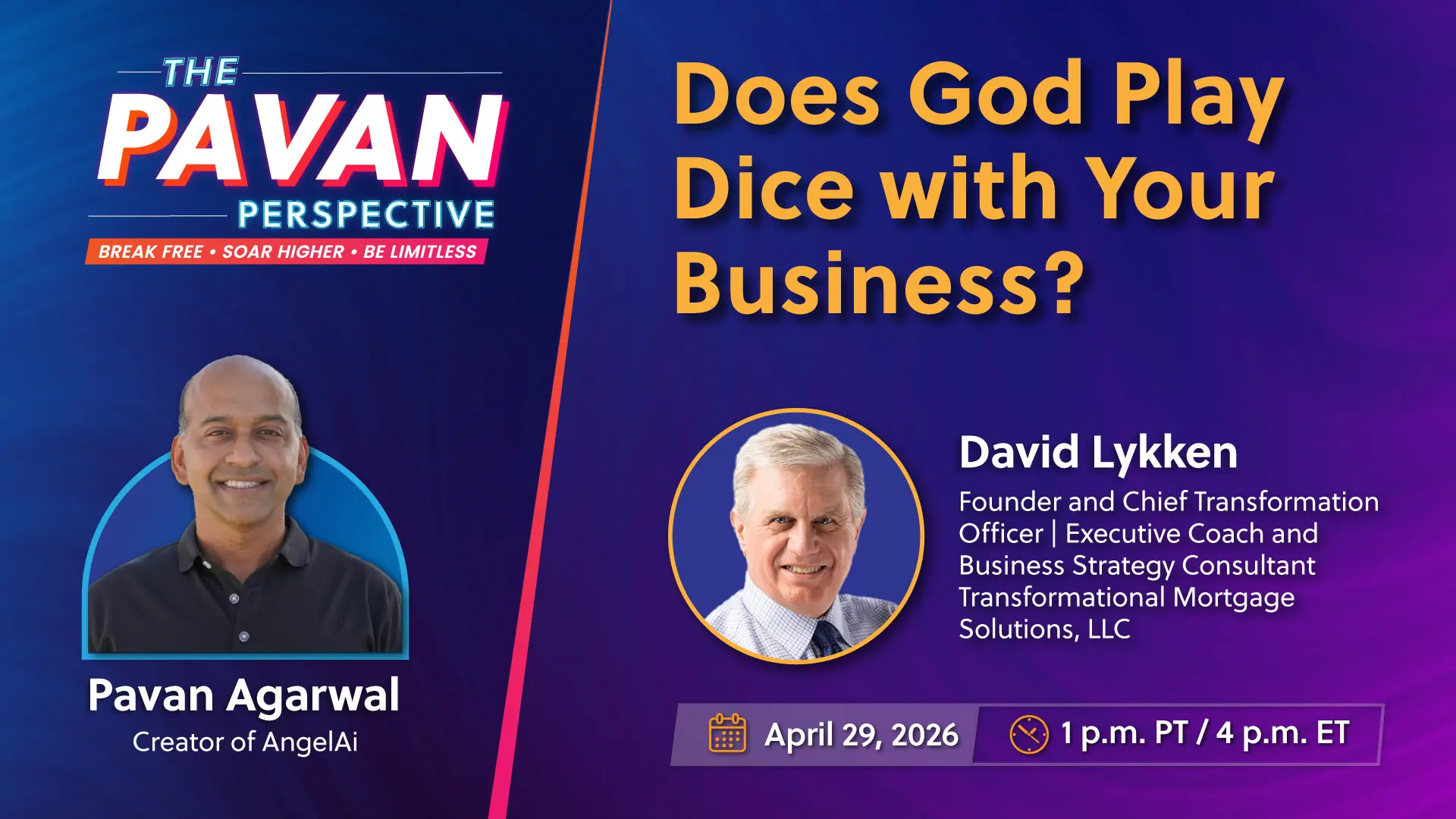
Lykken on Lending · Ai Update with Pavan Agarwal

Pavan Agarwal joins David Lykken on Lykken on Lending to explain the 120-year mathematical history behind Ai — and what it means for your business decisions right now.

Pavan Perspective podcast episode video thumbnail
▶

The Full Story, Unpacked

What does a 19th-century Russian mathematical debate have to do with modern artificial intelligence — and with the future of your business? Everything, according to Pavan Agarwal, Creator of AngelAi®.

In this special episode of Lykken On Lending, Pavan walks host David Lykken through a sweeping journey: from Albert Einstein's famous question about God and dice, through the mathematics that powered the Manhattan Project, to the algorithms that beat the world's best Go players — and are now transforming mortgage origination and sales.

The core message is disarmingly simple: Ai is not magic. It's a very sophisticated version of mathematics pioneered over 120 years ago. Understanding that fact is the first step to using it confidently in your business.

Whether you're a Realtor®, loan officer, entrepreneur, or simply Ai-curious, this conversation reveals the mindset you need to thrive in a rapidly changing, Ai-driven world.

AngelAi University Podcast #142 — Introduction slide

Introduction

Why Does Life Feel So Unpredictable?

Einstein said "God does not play dice with the universe" — but in business, it sure feels like He does. This presentation, originally delivered at a high-end coaching event, tackles the question every business owner carries: how do I manage risk and make smart decisions when everything feels uncertain?

"What mindset do I need to manage risk, to manage unpredictability? And second is what mindset do I need to have in an Ai world and things are changing so rapidly?" - Pavan Agarwal
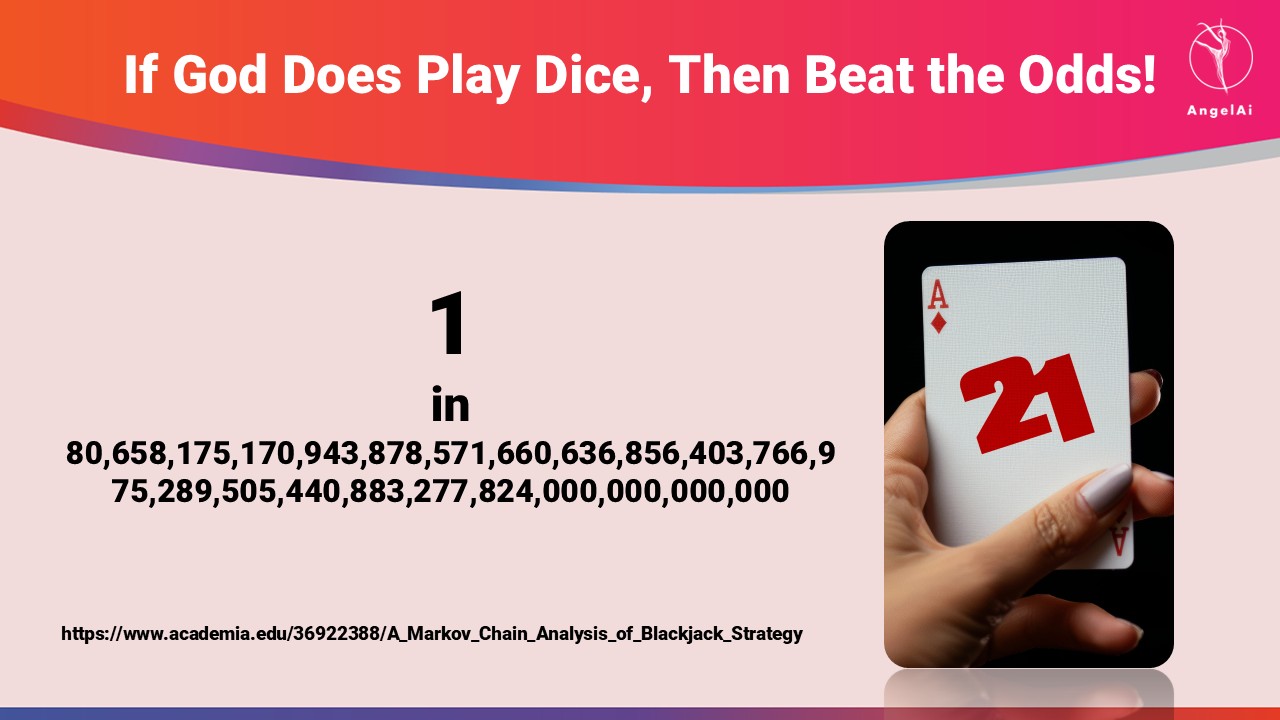
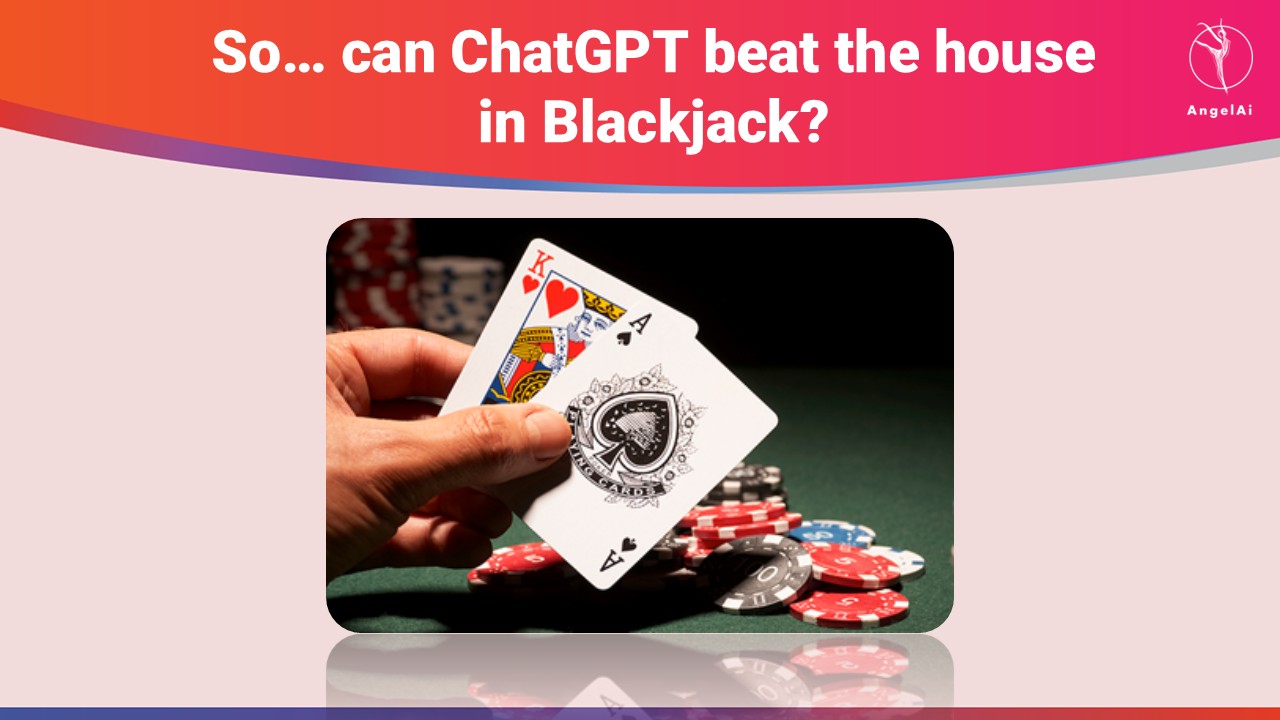
MIT blackjack probability slide

Mathematics of Probability

How MIT Students Beat the Casino

The odds of guessing the cards in a shuffled deck are astronomically against you — yet a group of Massachusetts Institute of Technology (MIT) students cracked blackjack using a published mathematical paper. The key insight: probability isn't just luck. With the right framework, it becomes prediction.

"The math behind breaking the bank on Blackjack is exactly the same math underlying Ai." - Pavan Agarwal

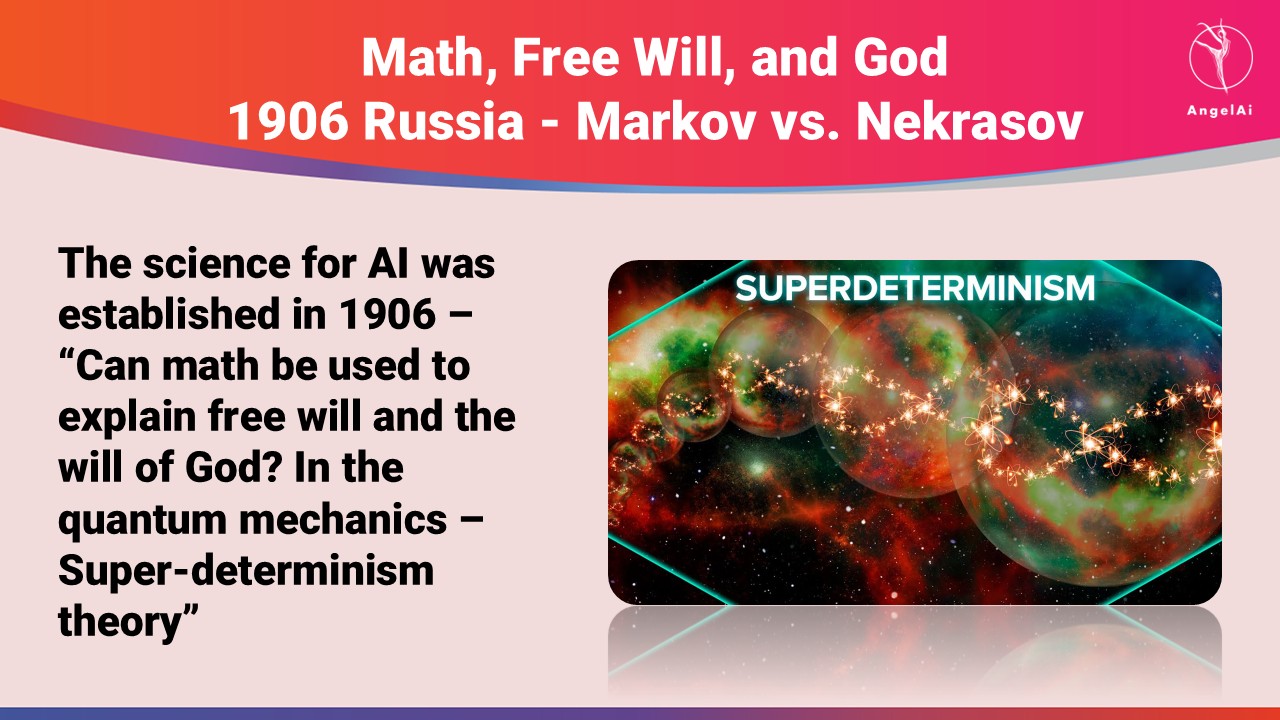
1906 mathematical debate illustration

Origin Story · 1906

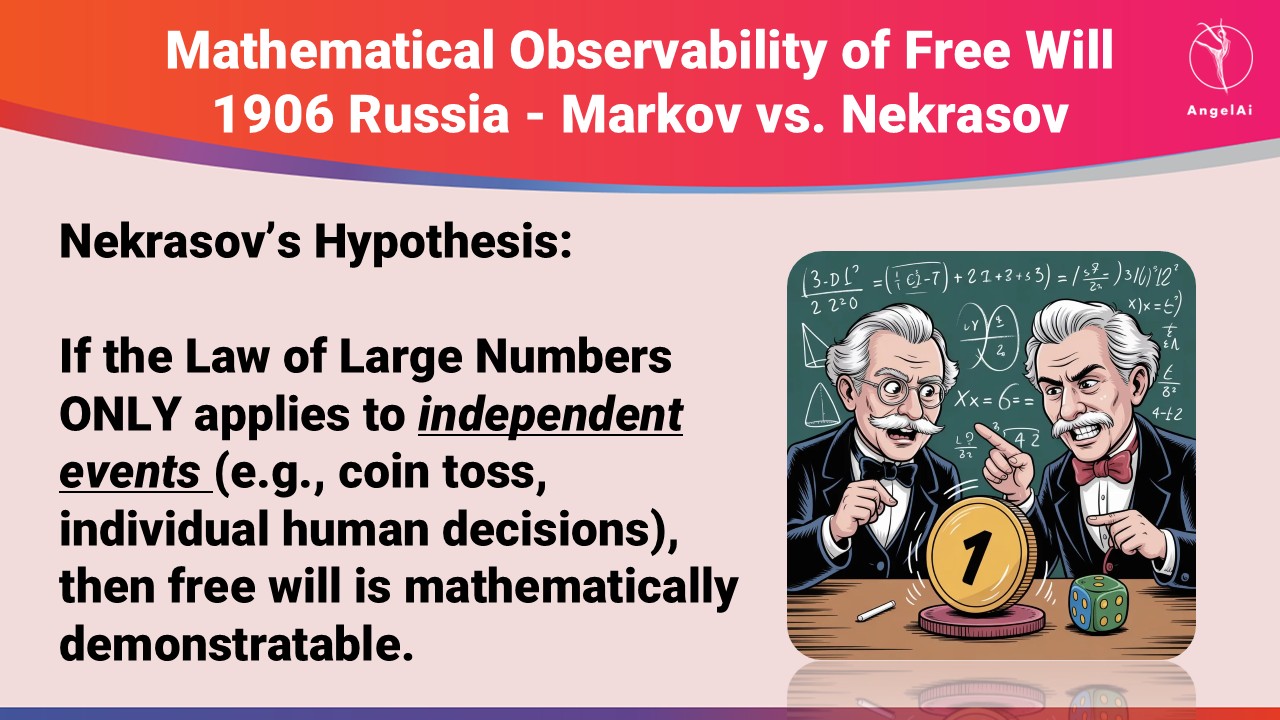
Two Mathematicians Debate God

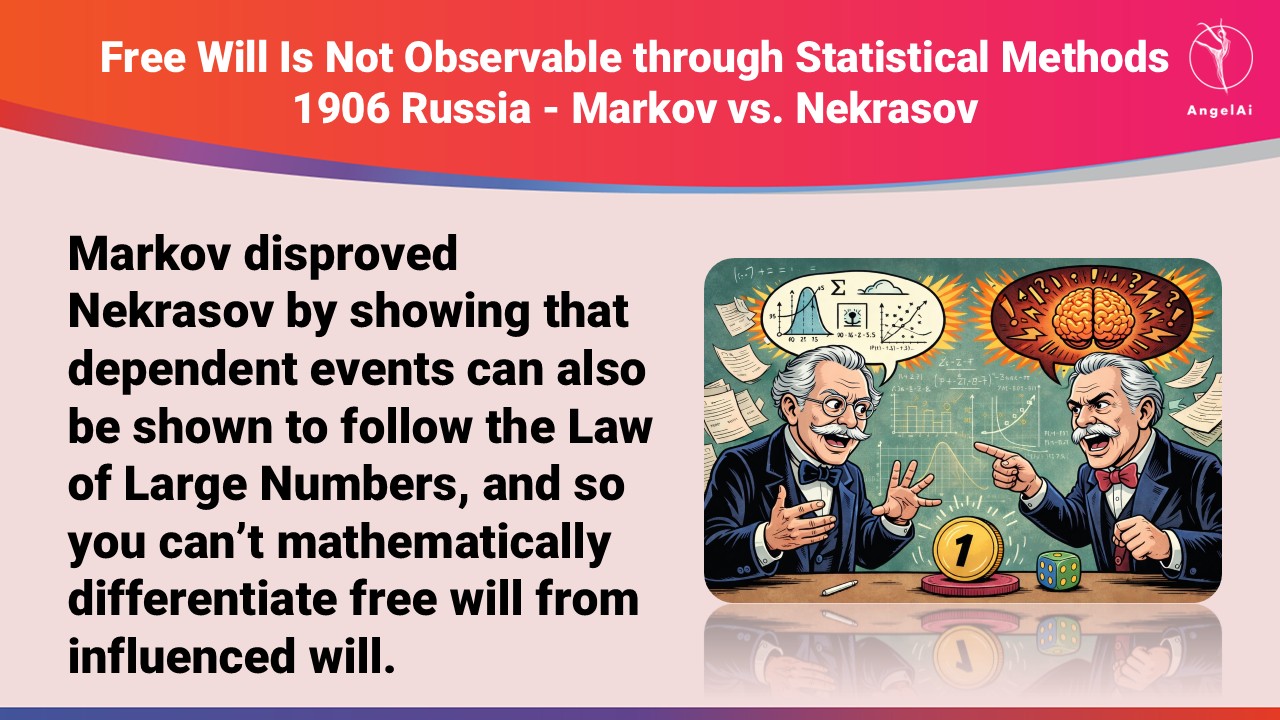
In 1906, two Russian mathematicians used statistics to argue about free will. Nekrasov said unpredictable coin tosses proved God's existence. Markov pushed back — focusing on dependent events like cards in a deck, where each draw changes future probability. Could even those be modeled and predicted?

"One was an atheist, one was a believer — their debate literally changed the world." - Pavan Agarwal

Dependent vs independent events diagram

The Proof

Independent Events vs. Dependent Events

A coin toss has no memory — each flip is independent. Cards in a deck are different: every draw changes what remains. Markov's extraordinary claim was that dependent probabilities also follow predictable patterns — meaning you can beat Blackjack through pure mathematics, not luck.

"This guy… 120 years ago, figured out you can beat blackjack in essence. He wasn't trying to beat blackjack but that's what he figured out." - Pavan Agarwal

120-year proof visualization

Validation

A Proof That Stood 120 Years of Testing

Markov published his landmark paper in 1906, and in the 120 years since, the mathematics has never been disproved. What began as a theological debate became one of the most consequential proofs in history — the same equations remain at the heart of Wall Street algorithms, artificial intelligence, and the devices we use every day.

"The proof stood the test of time — tested experimentally over and over again." - Pavan Agarwal

Markov chain concept diagram

Core Concept

The Markov Chain — and Why Wall Street Lives by It

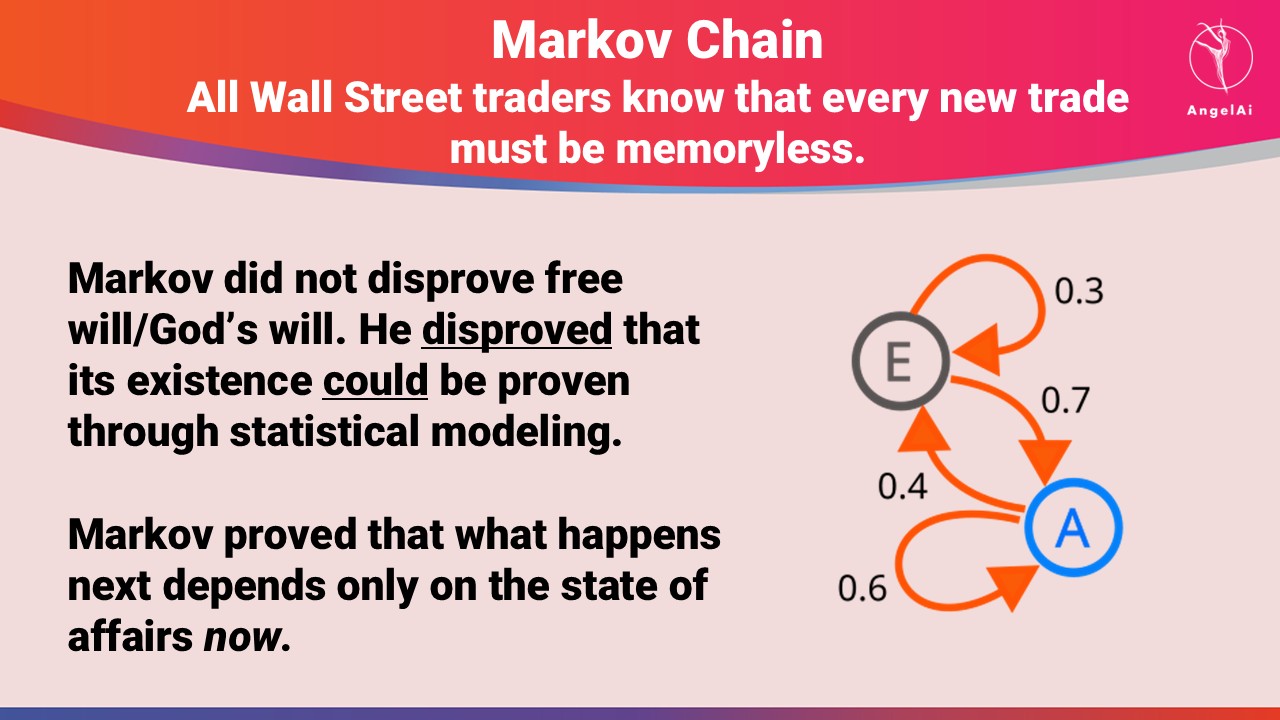
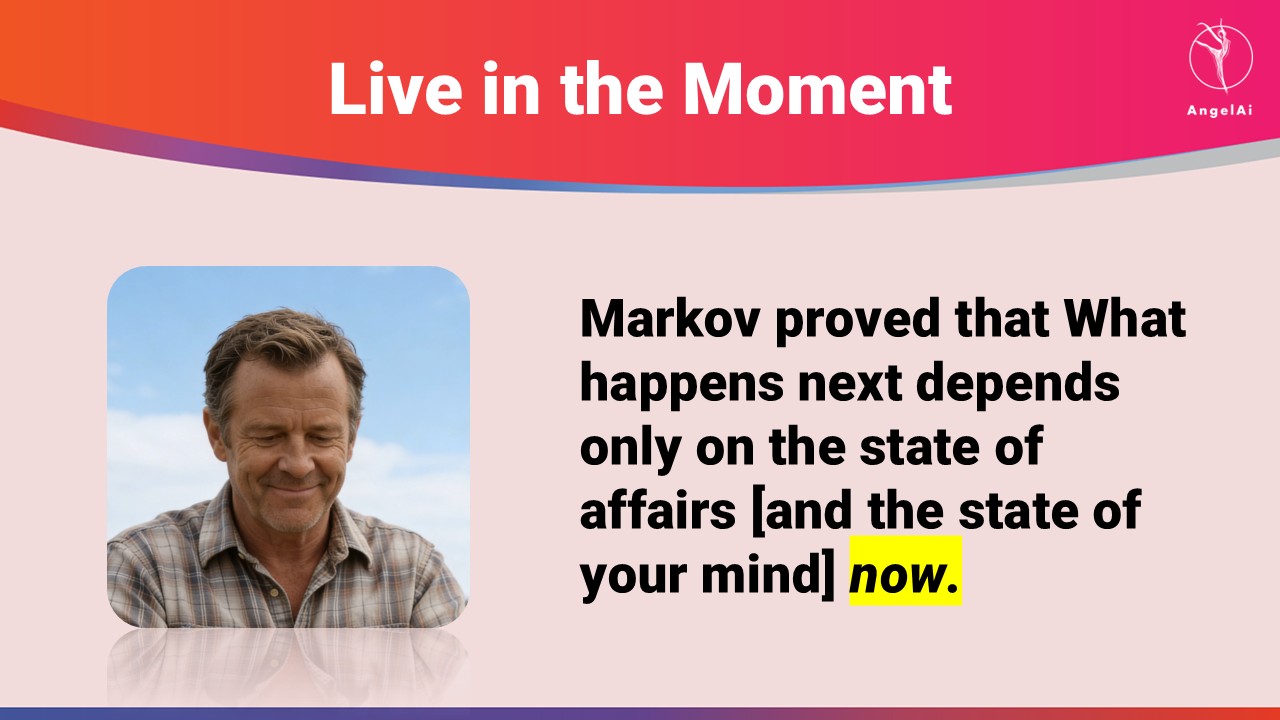
A Markov chain says: what happens next depends only on the current state — not on history. Every experienced trader knows this instinctively: the price you paid for a stock is irrelevant to the trade you should make today.

Dragging past emotions into present decisions is how most bad calls get made. The science is clear — only where things stand right now determines your best next move.

"What happens next only depends on the state of affairs right now... The present is the only thing that determines, that can help you predict the future — not the past." - Pavan Agarwal

Manhattan Project physics illustration

The Manhattan Project · 1940s

From Mathematical Debate to Nuclear Weapon

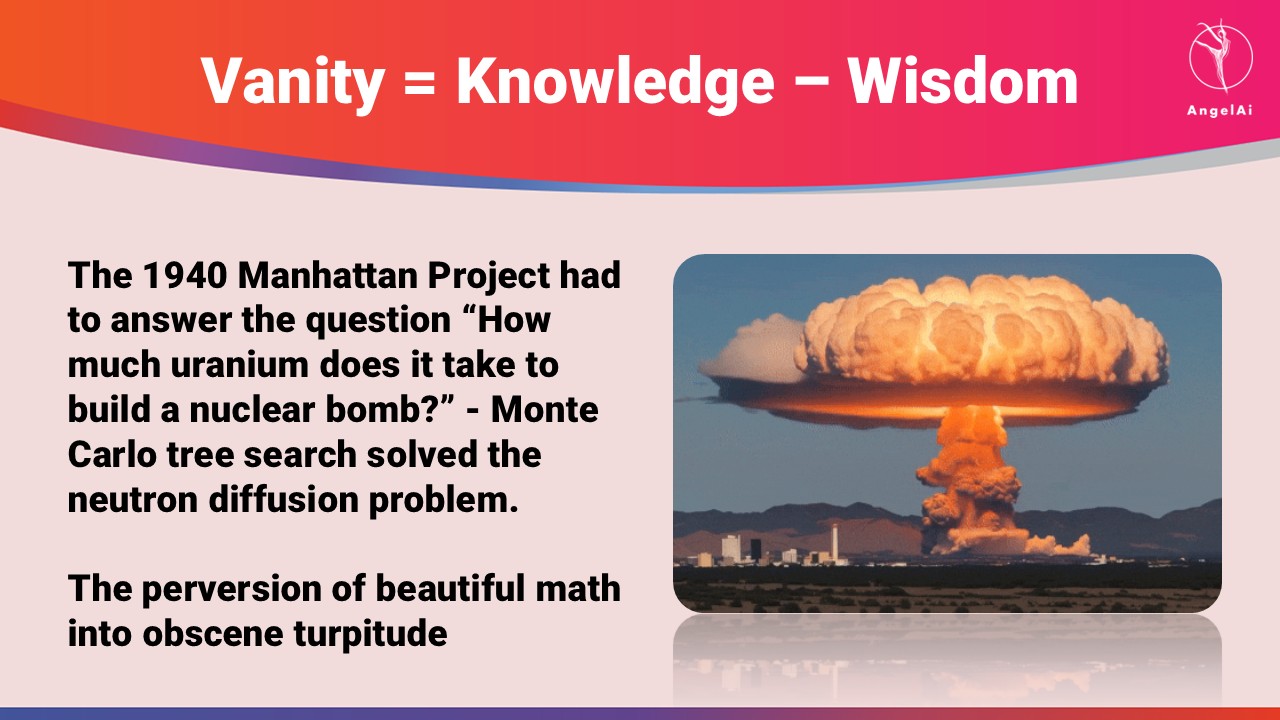
34 years after Markov's paper, physicists on the Manhattan Project hit an impossible problem: how much uranium triggers a nuclear chain reaction? A physicist recognized the answer — this is a Markov chain. Forget the history of each neutron; only its current state matters.

"When you have knowledge and not wisdom, then you take something beautiful like this math and you can perverse it to something obscene." - Pavan Agarwal

Timeline of AI breakthroughs

History of Ai

Four Breakthroughs Behind Modern Ai

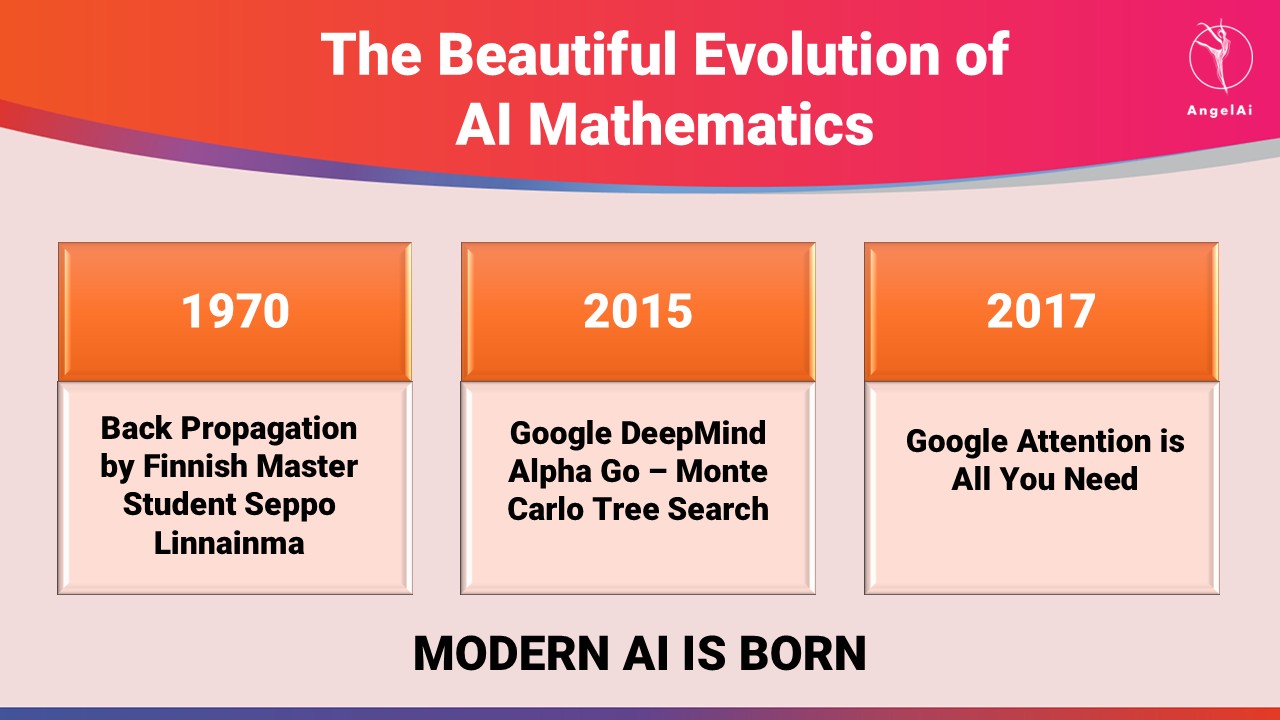
  • 1906 — Markov Chains: The foundational math. Without it, nothing else exists.
  • 1970 — Backpropagation: Enabled neural networks to learn.
  • 2015 — AlphaGo: Google DeepMind beats the world Go champion using Monte Carlo trees.
  • 2017 — "Attention Is All You Need": Google's paper that unlocked large language models and everything we call modern Ai.

"What really moves the needle is fundamental math. When fundamental math breakthroughs occur, then you'll see big strides in Ai."

Modern AI and Markov chain connection

Full Circle

Every Modern Ai Is a Sophisticated Markov Chain

Can ChatGPT beat the house at Blackjack? Yes — easily. Every Large Language Model (LLM) and generative model is fundamentally a very large, very sophisticated Markov chain. The math is similar to what Markov pioneered in 1906. The same elegant equations that describe a coin toss also power language generation and self-driving cars.

"Give it a hand and it'll tell you whether you should hit or not hit. It's a very simple thing for modern Ais." - Pavan Agarwal

AI transformation for business owners

Core Message

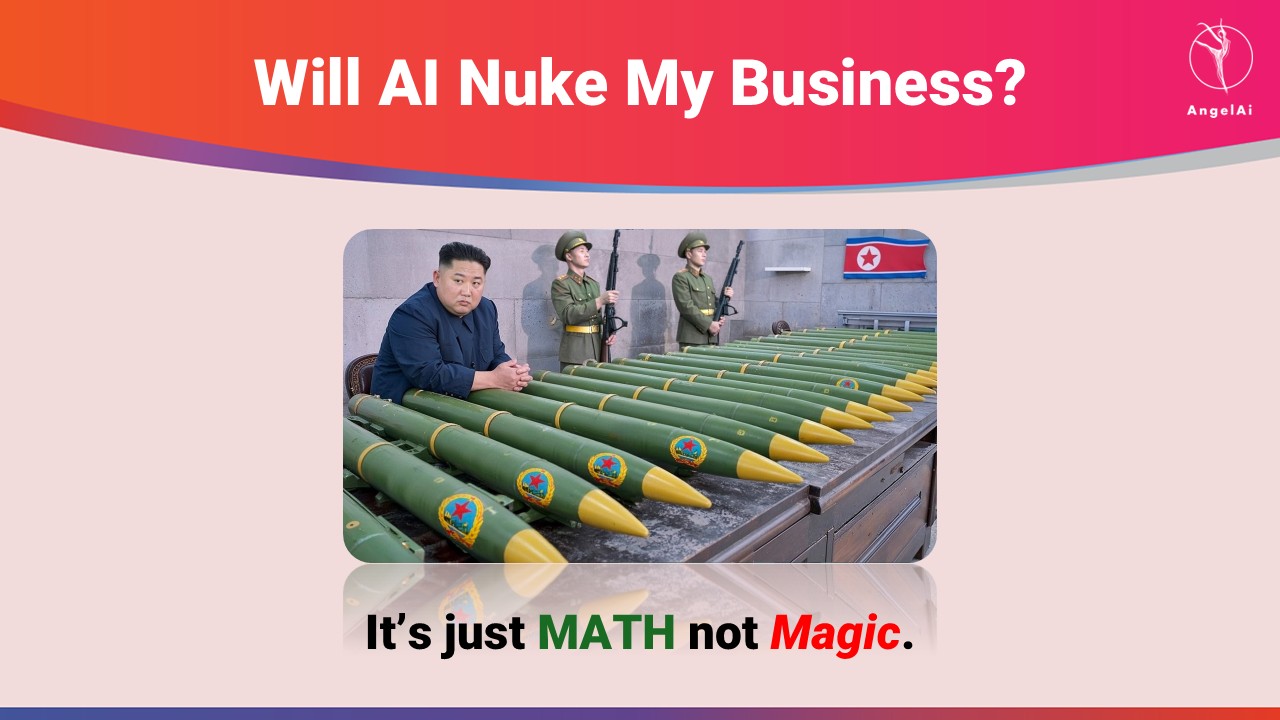
Will Ai Nuke Your Business — or Transform It?

If competitors adopt Ai and you don't, they will outpace you. But the bigger message is simpler: Ai is not magic. It's no more mysterious than a calculator or a video call. Strip away the social media hype and you have a powerful, well-understood tool anyone can learn to use.

"Don't be scared. There's no magic here. Someone else has done the heavy lifting — just understand the tools and use it." - Pavan Agarwal

Living in the present — business mindset

Life Principle · Backed by Science

120 Years of Math Says: Live in the Present

The Markov principle proves that only your current state determines your best path forward. Including emotional baggage from the past as if it were present-day fact — the stock you bought at $50, the queen you lost in chess — is how most bad decisions are made. Play the board as it is. Calm your mind. Move forward.

"This isn't philosophy. This is science. There are 120 years of math supporting it." - Pavan Agarwal

Philosophy of decision-making and vanity

Philosophy

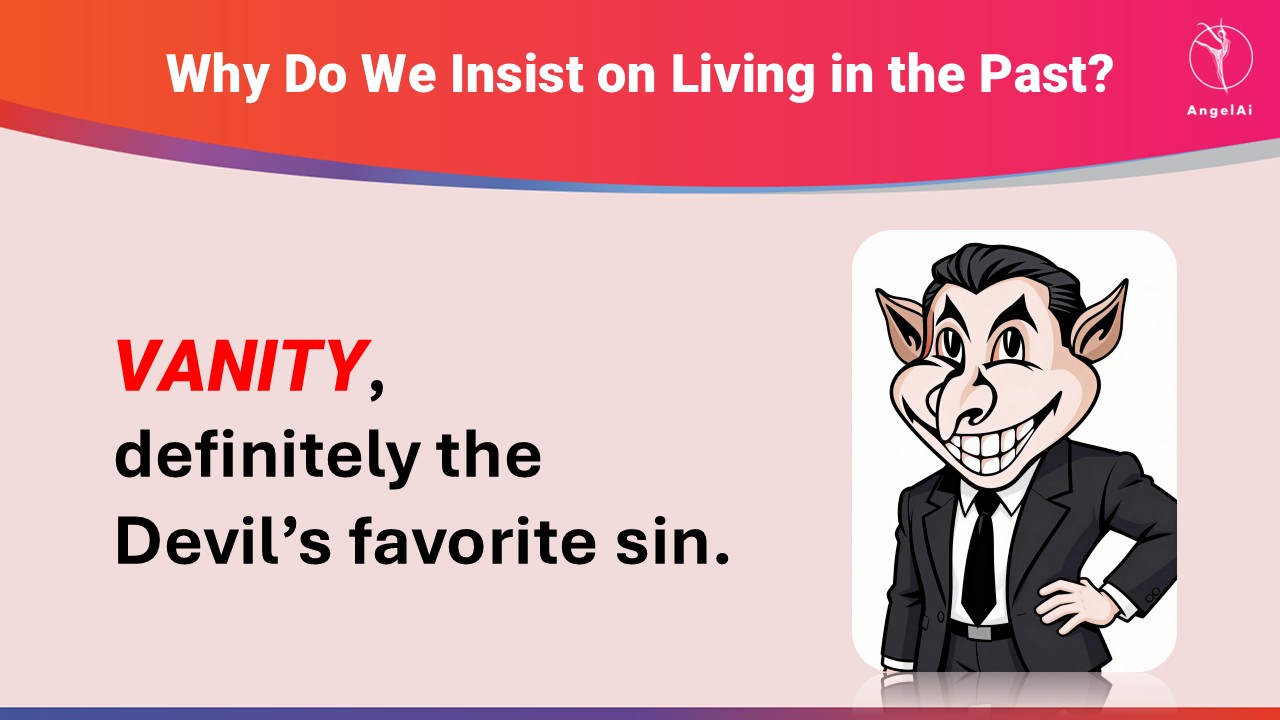
Why We Keep Living in the Past?

If the math is clear, why do we still drag the past into decisions? The answer: Vanity. Our ego gets tied to past wins and wounds, and we confuse our ego with who we are. Even the Buddha's final test before enlightenment was conquering his own vanity — and very few people ever fully succeed at that.

"Vanity is why we keep letting the past drive the present." - Pavan Agarwal

AI capability plateau and business opportunity

Call to Action

We're at a Plateau — Now Is the Time to Build

Ai is at a capability plateau: the science is stable, the tools are cheaper and more accessible than ever. This is the ideal window to build. AngelAi users are already seeing it — a Texas Realtor received six loan applications from a single post, her Ai twin handling every conversation. One person can now deliver the service of a team of hundreds.

"Ai is a fundamental tool for building a business empire." - Pavan Agarwal

Key Lessons

What Every Business Owner Should Take Away

Abacus representing mathematics

It's Math, Not Magic

Ai is a well-understood mathematical tool with over 120 years of proven science behind it. Don't let social media hype create unnecessary fear or awe. Learn the tools, apply them, and let someone else worry about the equations.

Abacus representing strategic thinking

Play the Board as It Is

Markov proved mathematically that only the present state matters. In business, this means making decisions on current data — not on the emotional weight of past wins or losses. Clear mind. Real facts. Move forward.

Abacus representing opportunity

The Plateau Is Your Opportunity

We're in a period of Ai capability stability — the tools are powerful, accessible, and battle-tested. This is your window to build. The businesses that integrate Ai thoughtfully today will be delivering 100x the service of those who don't.

Ready to Stop Watching Ai from the Sidelines?

AngelAi brings the power of Ai mathematics to your mortgage or real estate business — qualified leads, Ai twins, automated workflows, and more. No math degree required.

AngelAi and ChatGPT are registered trademarks of Celligence LLC and OpenAI OpCo, LLC, respectively.

MIT and Massachusetts Institute of Technology are registered trademarks of Massachusetts Institute of Technology.

Google, Deepmind, and AlphaGo are registered trademarks of Google LLC.

Celligence LLC is not affiliated with any third parties. The names are owned by the respective third parties.